


Waterproofing Clyde North Protect Your Home From Leaks and Damp

Clyde North has grown quickly into one of south-east Melbourne’s most sought-after family suburbs. New estates, modern builds and open, spacious blocks attract buyers every year. But a new home does not automatically mean a dry one. Getting waterproofing Clyde North properties right from the start can save homeowners thousands of dollars in repairs, and a lot of stress, down the track.
Why Waterproofing Matters in Clyde North
Melbourne’s weather is famously unpredictable. Long dry spells are often followed by heavy downpours, and that swing puts constant pressure on a building. Many homes in the Casey region also sit on reactive clay soils, which expand when wet and shrink when dry. Over time this movement can open small cracks in slabs, walls and retaining structures, giving moisture a path inside.
Water damage rarely announces itself loudly. It starts with a faint musty smell, a patch of peeling paint or a slightly soft floor. Left alone, it can lead to mould, rotting timber, corroded steel and costly structural repairs. Proper waterproofing Clyde North residents can rely on is really about preventing small problems from becoming big ones.
The Areas Most at Risk
Not every part of a house faces the same level of exposure. These are the spots that most often need attention:
Bathrooms and ensuites: Showers, baths and floor wastes handle water every day. Failed membranes behind the tiles are one of the most common causes of hidden leaks.
Balconies and decks: Open to rain and sun, these areas expand and contract constantly. A worn membrane quickly lets water into the structure below.
Retaining walls: Soil holds moisture, and without a proper barrier and drainage that moisture pushes through the wall.
Basements and subfloors: Groundwater and poor drainage can leave these spaces damp and unhealthy.
Planter boxes and rooftop terraces: Constant watering and soil contact make these a classic failure point if they are not sealed correctly.
Warning Signs You Should Not Ignore
Catching an issue early usually means a cheaper and simpler fix. Watch for:
Bubbling, flaking or peeling paint on walls and ceilings
Dark stains or tide-mark rings on plaster
Persistent musty odours, especially in enclosed rooms
Mould growth in corners, around windows or on bathroom ceilings
Cracked, loose or hollow-sounding tiles
Efflorescence, the white powdery salt deposit on masonry
Higher water bills with no obvious explanation
If you spot any of these, arrange an inspection promptly. Moisture spreads quietly behind surfaces, so the visible damage is often only a fraction of the real problem.
Common Waterproofing Methods
The right solution depends on the location, the surface and how much movement the structure experiences.
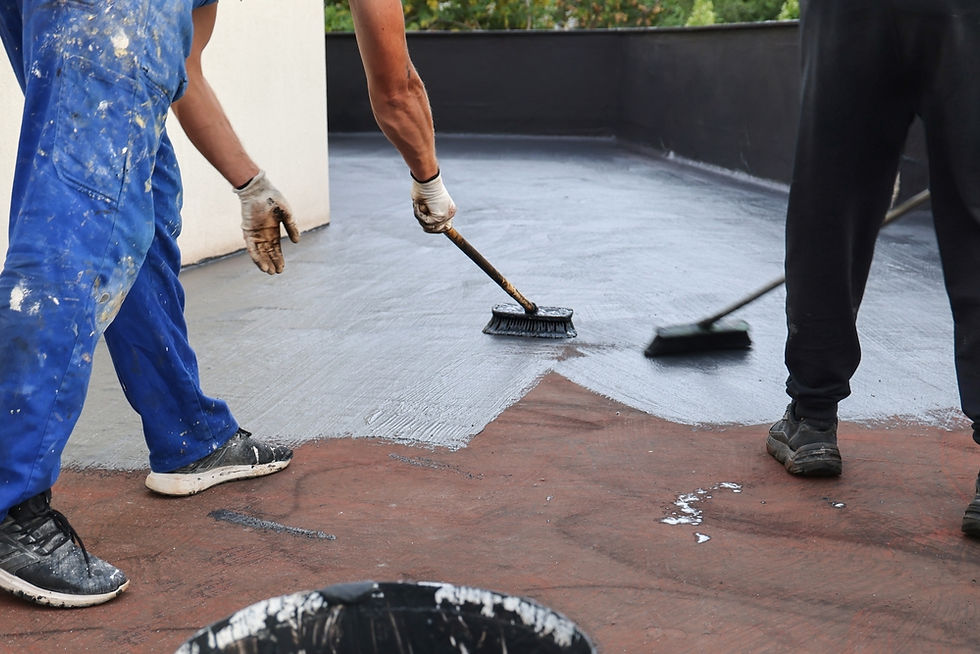
Liquid membranes are brushed or rolled on to form a seamless, flexible layer. They suit bathrooms, balconies and irregular surfaces because they flow around corners and penetrations.
Sheet membranes are pre-manufactured rolls bonded to the surface. They are consistent in thickness and often used on larger flat areas and below-ground walls.
Cementitious coatings are cement-based products that work well on rigid, stable surfaces such as concrete tanks and basements.
Injection and crack repair involves filling existing cracks with flexible resin to stop active leaks without major demolition.
A good contractor will explain why a particular method suits your situation, rather than applying one product to everything.
How to Choose the Right Contractor
Waterproofing is only as good as the workmanship behind it. Even the best product fails if the surface is poorly prepared or the details around drains and corners are rushed. When comparing providers for waterproofing Clyde North jobs, look for:
Proper licensing and insurance. Ask to see current documentation.
Compliance with Australian Standards. Membranes in wet areas should follow the relevant standards and building requirements.
A written warranty. Reputable installers stand behind their work in writing.
A clear, itemised quote. It should list the surface preparation, the products used and the number of coats.
Local experience. Someone who regularly works on waterproofing Clyde North homes understands local soil, building styles and climate conditions.
Testing and documentation. For wet areas, a flood test and a certificate give you proof the job was done correctly.
Be wary of unusually low quotes. Skipping preparation or cutting back on coats is a common way to lower the price, and it usually leads to failure within a few years.
Keeping Your Waterproofing in Good Shape
Even a well-installed system benefits from basic care:
Keep gutters, downpipes and drains clear of leaves and debris.
Make sure the ground slopes away from your walls.
Reseal silicone joints in showers and around baths when they crack or discolour.
Inspect balconies and planter boxes once or twice a year.
Fix small cracks early, before water has a chance to travel.

Final Thoughts
Whether you are building, buying or maintaining a property, waterproofing is one of those quiet investments that pays off over many years. It protects your structure, your health and the resale value of your home. If you are planning waterproofing work, take the time to inspect carefully, ask detailed questions and choose a contractor who values quality over speed. A dry home is a durable home, and getting it right the first time is always cheaper than fixing it later.


Comments