


Your Guide to Energy Efficient Heating And Cooling Systems

Welcome to a practical guide that helps Australian homeowners make smart choices about heating and cooling systems. Whether you live in a breezy coastal suburb, a hot-dry outback town, or a cool mountain valley, the right system can keep your home comfortable while saving energy and money. In this guide we’ll explore the most common types of heating and cooling systems, explain how Australian climate zones affect performance, and share local tips on regulations, rebates, and reliable installers such as those you’ll find on maroondahair.com.au. By the end you’ll have a clear plan for selecting, installing, and maintaining a system that fits your lifestyle and budget.

Understanding the Australian Climate Landscape
Australia’s climate is incredibly diverse, and that diversity drives the need for flexible heating and cooling solutions. The Bureau of Meteorology divides the country into six climate zones, ranging from tropical in the north to temperate in the south. In the tropical north, cooling dominates, while in the temperate south, heating is essential during winter months. Understanding which zone your home sits in helps you choose a system that delivers comfort year-round without over-working the equipment.
Key Climate Zones and Typical Temperature Ranges
Zone 1 – Tropical (e.g., Darwin, Cairns): Hot and humid year-round, average highs 30-35 °C.
Zone 2 – Sub-tropical (e.g., Brisbane, Gold Coast): Warm summers, mild winters, occasional cool snaps.
Zone 3 – Arid (e.g., Alice Springs, Broken Hill): Very hot days, cold nights, large temperature swings.
Zone 4 – Temperate (e.g., Melbourne, Adelaide): Warm summers, cool winters with regular frost.
Zone 5 – Cool-Temperate (e.g., Hobart, Canberra): Cooler summers, cold winters, occasional snow.
Zone 6 – Alpine (e.g., Snowy Mountains): Short, cool summers and long, cold winters.
These zones also affect the type of insulation, window glazing, and ventilation you’ll need. A well-insulated home reduces the load on heating and cooling systems, which in turn lowers energy bills and improves the system’s lifespan.
Types of Heating and Cooling Systems Popular in Australia
Australian homeowners have a wide range of heating and cooling systems to choose from. Below we break down the most common options, their benefits, and typical use cases. The goal is to match each system to the climate zone, house size, and budget.
Reverse-Cycle Air Conditioners
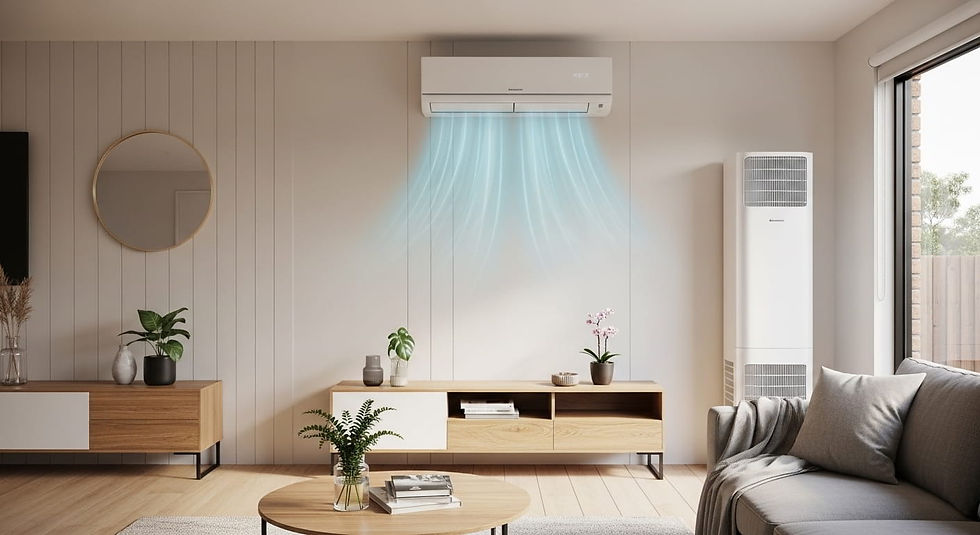
Reverse-cycle air conditioners (also called heat pumps) are the workhorses of Australian homes. They can both heat and cool, making them ideal for year-round comfort. In summer they extract heat from indoor air and release it outside; in winter they reverse the process, pulling heat from the outside air and delivering it inside.
High energy efficiency (often 3-5 kW heating per 1 kW electricity).
Works well in Zones 2-5 where temperature extremes are moderate.
Can be paired with smart thermostats for precise control.
Split-System Air Conditioners
Split-system units consist of an indoor evaporator and an outdoor condenser. They are easy to install and are a popular choice for single rooms, apartments, or small homes. While they provide excellent cooling, heating capacity is lower than reverse-cycle models, so they’re best suited to milder climates or as supplemental heating.
Evaporative (Swamp) Coolers
Evaporative coolers work by adding moisture to the air, which lowers temperature through evaporation. They are most effective in dry, hot regions (Zone 3) where humidity is low. Because they use water instead of refrigerant, they consume less electricity, but they are not suitable for humid coastal areas.
Ducted Central Systems
Ducted systems distribute conditioned air through a network of ducts, delivering consistent temperature throughout the house. They are a premium option that works well in larger homes or new builds where ductwork can be integrated during construction. Ducted reverse-cycle units combine heating and cooling in a single, centrally controlled package.
Hydronic (Hot Water) Heating
Hydronic heating uses hot water circulated through radiators, under-floor pipes, or fan-coils. It’s a low-carbon solution when paired with solar hot water or a high-efficiency gas boiler. In cooler southern states, hydronic floor heating provides gentle, even warmth that many homeowners find comfortable.
Gas-Powered Heating (Ducted Gas, Gas Fired Boiler)
Gas heating remains common in many Australian homes, especially in regions where natural gas supply is readily available. Modern condensing gas boilers achieve high efficiency (up to 95 %). However, they emit CO₂, so many homeowners are shifting toward electric heat pumps to meet future emissions targets.
Choosing the Right System for Your Home
Selecting the ideal heating and cooling system involves more than just picking the most popular model. You need to consider the size of the space, insulation quality, local climate, and your long-term energy goals. Below is a step-by-step checklist that helps you evaluate each factor.
Step-by-Step Checklist
Assess your home’s thermal envelope: Check roof insulation, wall cavity fill, and window glazing. A well-sealed home reduces heating and cooling loads.
Calculate the required capacity: Use a BTU calculator or consult a professional to determine the kilowatt rating needed for each room.
Match the system to your climate zone: Reverse-cycle heat pumps excel in Zones 2-4, while evaporative coolers shine in Zone 3.
Consider future energy policies: Australia is moving toward net-zero emissions. Choosing an electric heat pump now can future-proof your home.
Check local regulations and rebates: State governments offer rebates for energy-efficient upgrades (e.g., NSW Energy Savings Scheme, Victorian Energy Upgrades).
Compare reputable local providers: Look for installers with a good track record, proper licensing, and positive reviews on sites like maroondahair.com.au.
Energy Efficiency, Incentives, and Australian Regulations
Australia’s government encourages homeowners to adopt energy-efficient heating and cooling systems through a mix of regulations, rebates, and tax incentives. Understanding these programs can significantly lower your upfront costs and increase the return on investment.
Key Incentive Programs (2024-2025)
NSW Energy Savings Scheme (ESS): Offers up to $1,500 for eligible heat pumps and ducted systems.
Victorian Energy Upgrades (VEU): Provides rebates for high-efficiency air conditioners and heat pump water heaters.
Queensland Home Energy Upgrade Program (HEUP): Grants up to $2,000 for solar-powered cooling solutions.
South Australia Energy Efficiency Grants: Supports solar-assisted heating and cooling installations.
Regulatory Requirements
All heating and cooling installations must comply with the Australian Standards (AS/NZS 3666 for ventilation, AS/NZS 4859 for insulation). In many states, a licensed plumber or HVAC contractor must obtain a building permit before work begins. Additionally, the National Australian Built Environment Rating System (NABERS) rates the energy performance of homes, and a higher rating can increase property value.
Installation and Maintenance Best Practices
A well-installed system performs better and lasts longer. Below are practical tips to ensure your heating and cooling systems are set up correctly and maintained regularly, keeping them efficient throughout their lifespan.
Installation Tips
Choose a certified installer with experience in your specific climate zone.
Ensure proper sizing; an oversized unit cycles on and off frequently, wasting energy.
Place outdoor units in shaded, well-ventilated locations to improve efficiency.
Integrate smart thermostats that support scheduling and remote control.
Seal all ductwork and verify that filters are correctly installed.
Maintenance Checklist (Quarterly)
Clean or replace air filters – a dirty filter reduces airflow and efficiency.
Inspect outdoor coils for debris and rinse with water.
Check refrigerant levels (for split-system and reverse-cycle units).
Test thermostat calibration and update firmware if needed.
Schedule a professional service once a year to check motor bearings, fan blades, and electrical connections.
Common Mistakes to Avoid When Upgrading Heating and Cooling Systems
Even with the best intentions, homeowners sometimes make choices that hurt performance or increase costs. Below are the most frequent pitfalls and how to sidestep them.
Typical Errors
Skipping a home energy audit: Without an audit you may over-size the system, leading to higher electricity bills.
Choosing the cheapest unit: Low-cost models often have poorer efficiency ratings and shorter warranties.
Ignoring local climate data: A system designed for a cool climate will struggle in a hot, humid region.
Neglecting regular maintenance: Dirty filters and clogged coils can reduce efficiency by up to 30 %.
Not taking advantage of rebates: Missing out on government incentives can add thousands of dollars to your project.
Questions and Answers: Common Questions About heating and cooling systems in Australia
Below are the most frequently asked questions by Australian homeowners. Each answer is written in plain language and includes local context.
What type of heating and cooling system works best in a hot, humid coastal suburb?
For coastal areas such as Brisbane or Perth, a reverse-cycle air conditioner is the most versatile choice. It can cool efficiently even when humidity is high, and it provides reliable heating during cooler evenings. Pair it with a dehumidifier function if the model offers one, and make sure the unit is installed in a shaded spot to reduce heat gain.
Are there any government rebates for installing a heat pump in New South Wales?
Yes. The NSW Energy Savings Scheme (ESS) offers rebates of up to $1,500 for eligible reverse-cycle heat pumps and ducted systems. You must purchase a product that meets the minimum energy efficiency rating and have the installation performed by a licensed contractor. Check the ESS website for the latest eligibility criteria.
How often should I service my heating and cooling systems to keep them efficient?
A professional service once a year is recommended, ideally before the summer cooling season and before winter heating begins. In addition, clean or replace filters every three months, and inspect outdoor units for debris after storms. Regular maintenance can extend the life of the system by several years and keep energy bills low.
Can I combine solar panels with my heating and cooling system?
Absolutely. Solar PV panels can power electric heat pumps, reducing reliance on the grid. In many states, the combination of solar and a high-efficiency heat pump qualifies for additional rebates. A qualified installer can design a system that matches your roof’s solar potential with the heating and cooling load of your home.
What are the key differences between an evaporative cooler and a traditional air conditioner?
Evaporative coolers add moisture to the air, making them effective in dry, hot regions like the interior of Western Australia. They use less electricity but are not suitable for humid coastal areas. Traditional air conditioners remove heat via a refrigerant cycle and work well in any climate, though they consume more power. Choose based on your local humidity levels and energy goals.
Conclusion: Your Path to a Successful heating and cooling systems in Australia
Choosing the right heating and cooling systems for an Australian home is a balance of climate awareness, energy efficiency, and local regulations. By understanding your climate zone, evaluating the different system types, and taking advantage of government rebates, you can create a comfortable living space while keeping energy costs in check. Remember to work with a licensed installer—such as those listed on maroondahair.com.au—and schedule regular maintenance to protect your investment. With these steps, you’ll enjoy year-round comfort, lower bills, and a home that meets Australia’s evolving sustainability standards.


Comments