


Best Driveway Sealing Dandenong Guide: Protect Your Home with Aussie‑Made Tips
- Ashley Kinsela
- 20 hours ago
- 5 min read

Driveway sealing dandenong is the quickest way to lock in curb‑appeal and stop costly cracks before they spread. In this guide I’ll walk you through the why, the what, and the how—covering everything from climate quirks to the best local contractors, and even a step‑by‑step prep checklist. You’ll walk away with a clear plan, a realistic timeline, & the confidence to protect your home whether you go DIY or hire a pro.
Why Sealing Matters in Dandenong —
From what I’ve seen, Dandenong’s hot‑summer days (often topping 35 °C) and wet winters create a perfect storm for concrete and asphalt degradation. UV rays break down binders, while water seeps into micro‑cracks and freezes when a rare frost hits, expanding the damage. The thing is, a fresh coat of sealer acts like a sunscreen and a waterproof barrier in one.
UV protection keeps colour fade at bay.
Water resistance stops salt runoff from nearby roads corroding the surface.
Slip‑resistance improves safety for kids and pets.
In my experience, sealed driveways last up to 10 years before needing another coat, compared with 3‑5 years for unsealed surfaces. That’s a massive long‑term saving on repair costs and keeps the property value stable, especially in a market like Dandenong where curb‑appeal drives buyer interest.
Choosing the Right Sealer – Water‑Based vs Solvent‑Based
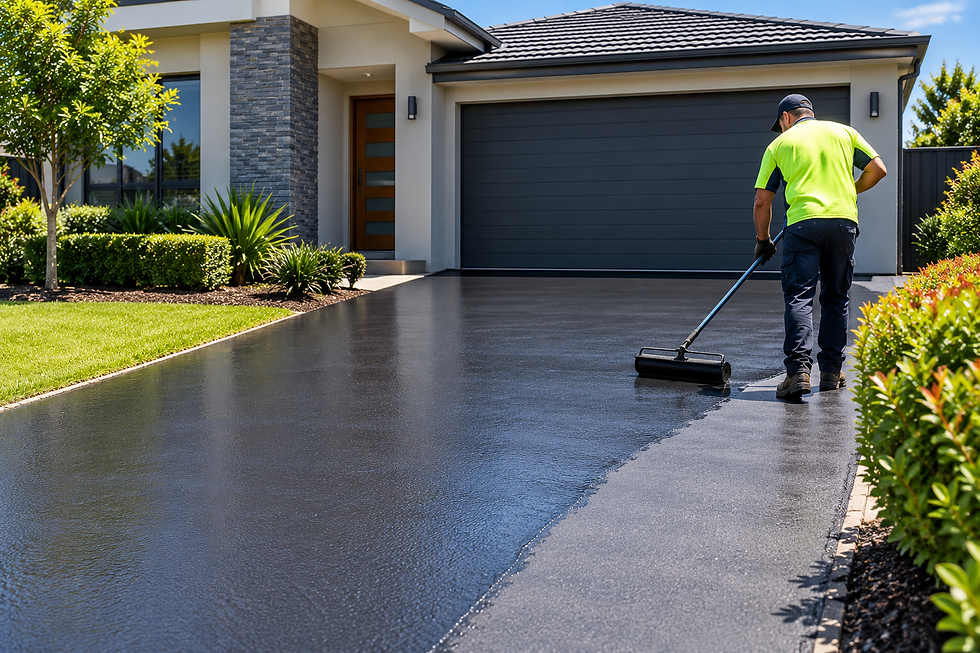
What typically happens is that homeowners pick the cheapest product without checking compatibility with their driveway type. Water‑based sealants are low‑VOC, easier on the lungs, and work great on coloured concrete because they don’t lift pigments. Solvent‑based sealants, on the other hand, penetrate deeper & give a tougher film on high‑traffic asphalt.
Water‑based: low odor, fast drying (2‑3 hours), ideal for residential use.
Solvent‑based: higher durability, better for commercial‑grade traffic, longer cure (24‑48 hours).
Honestly, I’d skip solvent‑based unless your driveway sees heavy trucks or you need a high‑gloss finish for a showroom look. For most Dandenong homes, a premium water‑based product like EC 30 offers the sweet spot of durability and environmental compliance.
Preparing Your Driveway – The 5‑Step Checklist
Step 1: Clear the Area
First, remove all cars, garden tools, and any loose items — A clean zone prevents debris from getting trapped under the sealer & ruining the finish. And don’t forget the garden hose—if you have a drip‑irrigation line crossing the driveway, shut it off.
Step 2: Pressure‑Wash the Surface
Pressure washing at 1500 psi removes oil stains, dust, and moss that can otherwise cause bubbling. I mean, in dandenong, the clay‑rich soil often leaves a fine powder on concrete; a good wash eliminates that. Let the surface dry for at least 24 hours—humidity in spring can linger, so use a moisture meter if you’re unsure.
Step 3: Repair Cracks and Holes
Use a flexible concrete crack filler that matches the substrate — For asphalt, a cold‑patch compound works best. Fill each crack, smooth it with a trowel, and allow it to cure per the manufacturer’s instructions. I’ve noticed that ignoring even hair‑line cracks leads to sealer peeling later.
Step 4: Apply Primer (If Required)
Some water‑based sealants need a primer to improve adhesion, especially on exposed aggregate. The primer is usually a thin, translucent coat—apply with a roller & let it set for 30 minutes. And always check the label; not all products need it.
Step 5: Seal the Driveway
Now you’re ready for the main sealer. Use a 10‑mm nap roller for even coverage, working in 10‑m² sections to avoid lap lines. Two coats are standard—let the first coat cure for 4‑6 hours before applying the second. And remember, a hot day above 30 °C can cause the sealer to dry too fast, leading to cracking.
Best Time of Year for Driveway Sealing Dandenong

Seasonal timing is critical. The ideal window in Dandenong is late autumn (April‑May) or early spring (September‑October). Temperatures sit comfortably between 15 °C and 25 °C, and humidity is low enough for proper curing. In the peak of summer, the sun can cause flash‑drying, while winter rains can trap moisture under the film.
April‑May: 12‑18 °C, low rain, perfect for water‑based sealants.
September‑October: mild temps, good for solvent‑based if you need extra durability.
And if you’re dealing with a fresh concrete pour wait at least 28 days before sealing. That gives the concrete enough time to cure and reduces the risk of delamination.
Hiring a Local Contractor – What to Look For —
When you search “driveway sealing near me Dandenong”, you’ll see a long list of firms, and the thing is, not all are created equal. Look for a contractor with a Victorian building licence, insurance, and a portfolio of recent Dandenong projects. A reputable company will also provide a written warranty covering cracking, peeling, and colour fade for at least two years.
Check for AVINA or Master Builders membership.
Ask for references from suburbs like Dandenong North or Springvale.
Verify they use low‑VOC, eco‑friendly sealants compliant with state regulations.
Honestly, I’d skip any contractor who can’t give you a clear breakdown of surface preparation, sealer type, and cure times. Transparency is a sign of professionalism and protects you from hidden fees.
DIY vs Professional – Pros, Cons, Safety
DIY can save you a few bucks, but it also carries risks. If you’re not wearing a respirator, you’ll inhale fumes from solvent‑based products—bad news for your lungs. And a sloppy application leaves streaks that look cheap. The thing is, a professional crew brings equipment like industrial‑grade pressure washers & rollers that ensure an even coat.
DIY: lower cost, flexible schedule, but requires proper PPE & ventilation.
Professional: higher upfront cost, guaranteed warranty, equipment and expertise.
And if you decide to go the DIY route make sure you have a sturdy ladder for edge work a low‑odor respirator and a disposal plan for any leftover sealant—Victorian councils require proper hazardous waste handling.
Maintenance After Sealing – Keeping It Fresh
After the sealer cures, treat the driveway gently for the first 48 hours, and avoid heavy vehicles, pressure washing, or applying de‑icing salts. Um, in dandenong’s winter, use sand instead of salt to maintain traction without harming the sealant.
Clean spills promptly with a mild detergent.
Re‑seal every 3‑5 years, depending on traffic & exposure.
Inspect for new cracks after heavy rains and repair before the next seal.
What typically happens is that neglecting regular cleaning leads to oil staining, which can break down the sealer’s surface. A quick rinse with a garden hose and a soft brush keeps the finish looking new.
Alternatives to Sealing – When to Consider Asphalt, Pavers, or Stamped Concrete
If your driveway is already cracking heavily, sealing may only be a stop‑gap. In those cases, a full resurfacing with asphalt or interlocking pavers can be more cost‑effective in the long run. Asphalt handles heavy loads well and is common in commercial zones of Dandenong, while pavers offer a decorative edge for suburban homes.
Asphalt: quick install, good for high‑traffic, but needs periodic sealcoat.
Pavers: excellent drainage, low maintenance, but higher upfront cost.
Stamped concrete: custom look, but requires skilled installers and proper sealing.
And remember, each alternative has its own maintenance schedule. For example, pavers need joint sand replacement every few years, while asphalt needs a sealcoat every 1‑2 years.
Conclusion
Driveway sealing dandenong isn’t just a cosmetic tweak; it’s a practical defence against the local climate, traffic, & soil conditions that can wear down your driveway fast — By choosing the right sealer, preparing the surface properly, timing the job for the optimal season, and either hiring a vetted local contractor or following safety‑first DIY steps, you’ll extend the life of your driveway and keep your home looking sharp. Keep up with regular maintenance, and you’ll avoid costly repairs for years to come.



Comments