


The Long-Term Costs of Neglecting air conditioning Maintenance

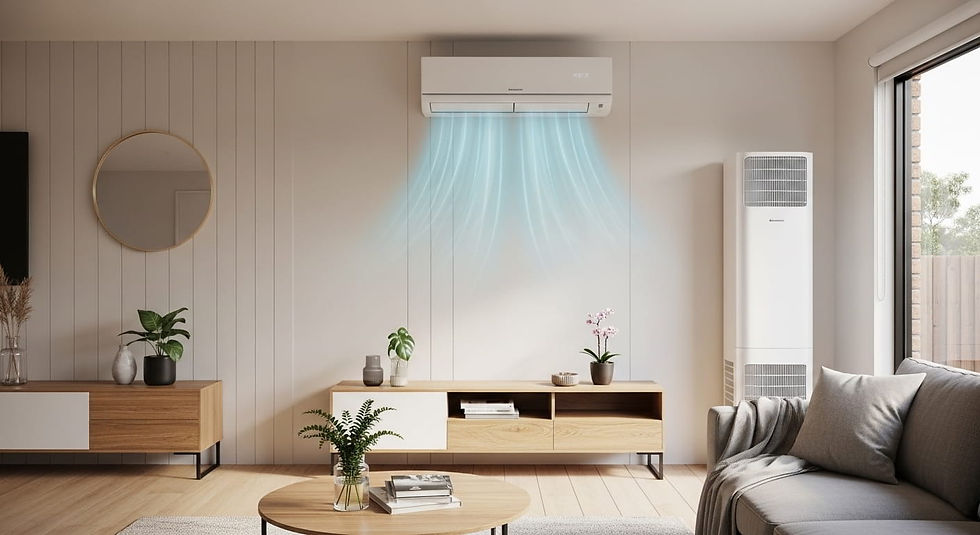
Air conditioning is a cornerstone of comfortable living in many Australian homes, especially during the sweltering summer months in Queensland, New South Wales, and Western Australia. While the upfront purchase price of an air conditioning system can be high, the hidden expenses that arise from poor maintenance can far outweigh the initial investment. This guide explores the long-term costs of neglecting air conditioning maintenance, offers practical tips for keeping your system in top shape, and highlights the unique Australian regulations and service options that affect every homeowner.
Hidden Costs of Neglect
Increased Energy Consumption
When filters are clogged or coils are dirty, the air conditioning unit must work harder to achieve the same temperature. This extra workload translates directly into higher electricity usage. According to the Australian Energy Regulator, a poorly maintained system can consume up to 30 % more power, adding hundreds of dollars to a household’s annual energy bill.
Premature Component Failure
Key components such as the compressor, fan motor, and capacitor have a finite lifespan. Without routine checks, wear and tear accelerate, leading to early failure. Replacing a compressor can cost anywhere from $1,200 to $3,500, depending on the make and model, whereas a well-maintained unit may avoid this expense for many years.
Reduced Cooling Performance
A neglected air conditioning system often struggles to reach the desired indoor temperature, especially on hot days when the outdoor temperature exceeds 35 °C. This can force homeowners to keep windows open, undermining the purpose of the system and potentially increasing humidity-related issues such as mould growth.
Impact on Home Value
Potential buyers often inspect the condition of major appliances, including air conditioning. A system with a history of neglect can lower a home’s market value or lead to costly negotiations during the sale process.
Seasonal Impacts on Australian Homes
Australia’s climate varies dramatically from region to region. In tropical areas like Darwin, the cooling season can last year-round, while in temperate zones such as Adelaide, the demand peaks during a few months each year. Understanding these seasonal patterns helps homeowners schedule maintenance at the optimal times.
Pre-Summer Service (February-March)
Before the heat intensifies, a professional inspection should clean the evaporator and condenser coils, replace filters, and check refrigerant levels. This preparation reduces the risk of breakdowns during the most demanding period.
Post-Summer Check (November-December)
After the hottest months, a post-summer service removes accumulated dust, inspects for corrosion caused by salt-laden coastal air, and ensures the system is ready for the cooler months when heating may be required.
Australian Regulations and Standards
Homeowners must be aware of national and state regulations that govern air conditioning installation and maintenance. The Australian Standards AS/NZS 3666 outlines requirements for ventilation and air-conditioning systems, while the Clean Energy Regulator enforces energy-efficiency ratings.
Energy Rating Labels: All new air conditioning units sold in Australia must display an energy rating from 1 (most efficient) to 6 (least efficient). Choosing a higher-rated unit can lower long-term operating costs.
Refrigerant Handling: Only licensed technicians may service systems that use refrigerants such as R-410A or the newer R-32, in compliance with the Ozone Protection and Synthetic Greenhouse Gas Management Act.
Building Codes: Local councils often require permits for new installations, especially in multi-unit dwellings, to ensure compliance with fire safety and noise regulations.
Choosing a Service Provider
Selecting a reputable service provider is crucial for maintaining your air conditioning system. Look for companies that:
Hold a valid licence for refrigerant handling.
Offer a written service agreement with clear pricing.
Provide references from local homeowners in your state or territory.
Follow the Australian Standards for safety and environmental compliance.
DIY Checks vs Professional Service
Simple DIY Tasks
Homeowners can perform basic maintenance without specialist tools:
Replace or clean filters every 1–3 months, depending on usage.
Clear debris from the outdoor condenser unit.
Check the thermostat settings and batteries.
When to Call a Professional
Professional attention is required for:
Refrigerant leaks or low pressure.
Electrical faults, such as tripped circuit breakers.
Compressor or fan motor replacement.
System performance testing and efficiency certification.
Energy Efficiency and Savings
Improving the energy efficiency of your air conditioning system not only reduces utility bills but also aligns with Australia’s national goal to cut greenhouse-gas emissions. Key strategies include:
Installing a programmable thermostat to avoid unnecessary cooling.
Ensuring proper insulation and sealing of windows and doors.
Using ceiling fans in conjunction with air conditioning to circulate cool air.
Choosing a unit with a high SEER (Seasonal Energy Efficiency Ratio) rating.
Common Problems and Fixes

Insufficient Cooling
Typical causes include dirty filters, low refrigerant, or a malfunctioning thermostat. A quick filter change often restores performance, but persistent issues require a professional refrigerant check.
Strange Noises
Rattling or grinding sounds may indicate loose components or worn bearings. Turning off the unit and contacting a licensed technician can prevent further damage.
Water Leaks
Condensation should drain away via a dedicated pipe. Clogged drain lines or a faulty condensate pump can cause water to pool around the indoor unit. Regular cleaning of the drain line helps avoid this problem.
Tips to Extend the Lifespan of Your air conditioning System
Schedule two professional services per year – one before summer and one after.
Keep the outdoor unit clear of leaves, grass, and pet hair.
Use a programmable thermostat to avoid over-cooling.
Maintain proper home insulation to reduce the load on the system.
Educate family members about the importance of not blocking vents.
Questions and Answers: Common Questions About air conditioning in Australia
Below are some of the most frequently asked questions by Australian homeowners. The answers are concise and tailored to local conditions.
Q: What is the recommended frequency for changing air conditioning filters in a typical Australian home?
A: Most manufacturers suggest replacing or cleaning filters every 1–3 months, depending on usage and whether pets are present. In dusty environments like the outback, a monthly change is advisable.
Q: Do I need a licence to service my own air conditioning unit?
A: Only licensed technicians may handle refrigerants or perform electrical work on air conditioning systems. DIY tasks such as filter replacement and cleaning the outdoor coil are permissible, but anything involving the compressor or refrigerant lines requires a licensed professional.
Q: How can I tell if my air conditioning system is operating efficiently?
A: An efficient system will maintain the set temperature without excessive fan noise, and the electricity bill will not spike unexpectedly. A professional energy audit can provide a SEER rating and suggest improvements.
Conclusion: Your Path to a Successful air conditioning in Australia
Neglecting air conditioning maintenance can lead to higher energy bills, costly repairs, and a shorter system lifespan. By following a regular service schedule, complying with Australian standards, and choosing qualified local providers, homeowners can protect their investment and enjoy reliable cooling year after year. Start with a simple filter change, book a professional pre-summer service, and keep an eye on your electricity usage. These small steps will pay off in comfort, savings, and peace of mind for your home improvement journey.


Comments